
Why Your Nonprofit's Fundraising Strategy Isn't Working
Common mistakes, and how to build a more sustainable development program.
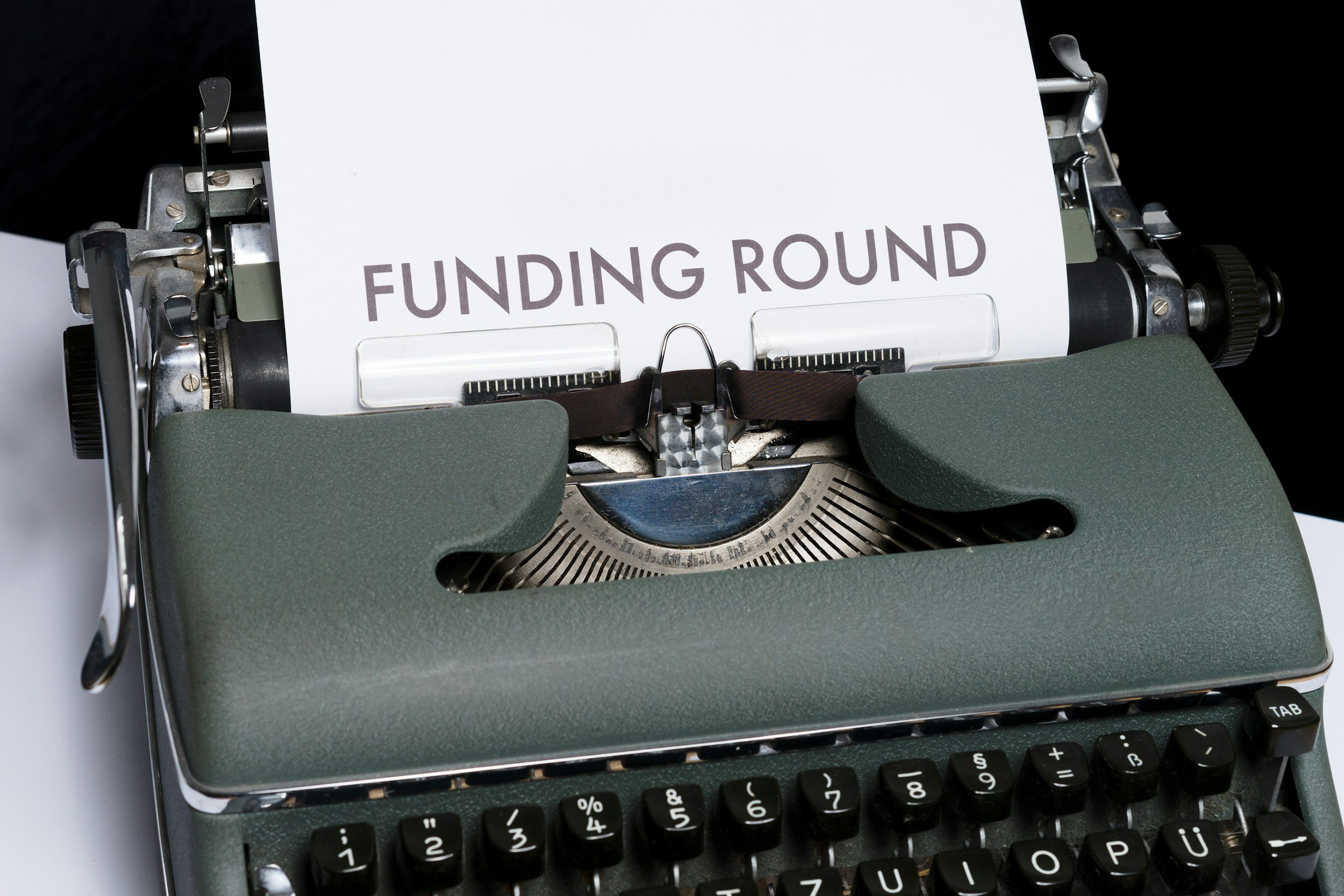
Most nonprofits don't have a fundraising problem. They have a strategy problem.
The money feels tight, the appeals aren't landing, and the team is exhausted from chasing one deadline after another. It's easy to read that as "we need to raise more." But more often, the real issue is how the fundraising is built, not how hard people are working. Here are the mistakes we see most, and what to do instead.
Mistake 1: You're chasing dollars instead of building a system.
When money is tight, the instinct is to apply for every grant in sight and hope something lands. It rarely does. Scattershot fundraising burns out your team and produces inconsistent results, because you're reacting to opportunities instead of pursuing the ones that actually fit.
A sustainable program starts with a system: a clear picture of who your funders are, which ones align with your mission, and a calendar that paces your outreach across the year. When you know where to focus, you stop wasting energy on the wrong prospects and start building real momentum with the right ones.
Mistake 2: You're over-relying on a single source.
Plenty of organizations lean hard on one major grant, one loyal donor, or one annual event. It works until it doesn't. The day that funder shifts priorities or that event underperforms, the whole budget wobbles.
Diversification is slower to build than concentration, but it's the only path to stability. A healthy development program draws from several streams: individual donors, foundation grants, earned income, and events. You don't have to build them all at once, but you should always know which leg of the stool you're strengthening next.
Mistake 3: You treat the ask as the whole relationship.
Fundraising isn't a transaction that happens at the moment of the ask. It's a relationship that builds over time. Organizations that only reach out when they need money train their funders to brace for the request instead of welcoming the conversation.
The strongest development programs invest in relationships long before the ask and long after the gift. They report back on impact. They say thank you more than they say please. They treat funders as partners in the work, not as ATMs. That shift changes everything about how your outreach is received.
Mistake 4: You're not measuring anything.
If you can't say how much it costs to raise a dollar, which appeals performed best, or what share of your donors came back this year, you're guessing. And guessing is expensive.
You don't need a complicated system. You need a few numbers you track consistently: donor retention, cost per dollar raised, average gift size, and the ratio of new to returning donors. Those numbers tell you what's working and what to stop doing, so your strategy gets sharper with every cycle instead of repeating the same mistakes.
Mistake 5: You wait until you're "ready" to invest in fundraising.
This is the catch-22 that traps so many organizations. They hold off on investing in development, communications, or capacity until the money improves, but those are the very investments that make the money improve. Waiting to be ready keeps you stuck.
Building a sustainable program means investing in it before you feel like you can afford to. That doesn't mean spending recklessly. It means recognizing that fundraising capacity is what drives growth, not a reward you get once growth arrives.
Building something that lasts
A sustainable development program isn't about working harder. It's about working from a strategy: knowing your funders, diversifying your revenue, investing in relationships, tracking what matters, and building capacity before you feel ready. Get those right, and fundraising stops feeling like a scramble and starts feeling like a system that carries your mission forward.
If your fundraising strategy isn't delivering the way you need it to, we'd love to help you figure out why. Access Philanthropy advisors offer free 30-minute conversations, no forms and no pressure, just a chance to talk through what your organization needs. Reach out at hello@accessphilanthropy.com or complete the form.
